You can make a difference in the San Juan Mountains
Why donate to Mountain Studies Institute?
Together we're connecting communities to science people can use to face our most pressing environmental challenges. As an independent research and education organization, your donations allow Mountain Studies Institute to pursue locally-relevant research, provide educational programs to students of all ages, build and maintain collaborative natural resource management, and monitor changes on our landscape. This work matters because the decisions we make today—about water, forests, wildlife, and climate—depend on accurate data, informed communities, and strong partnerships. Your support ensures that science stays accessible, actionable, and rooted in the places we love, so we can steward them for generations to come.
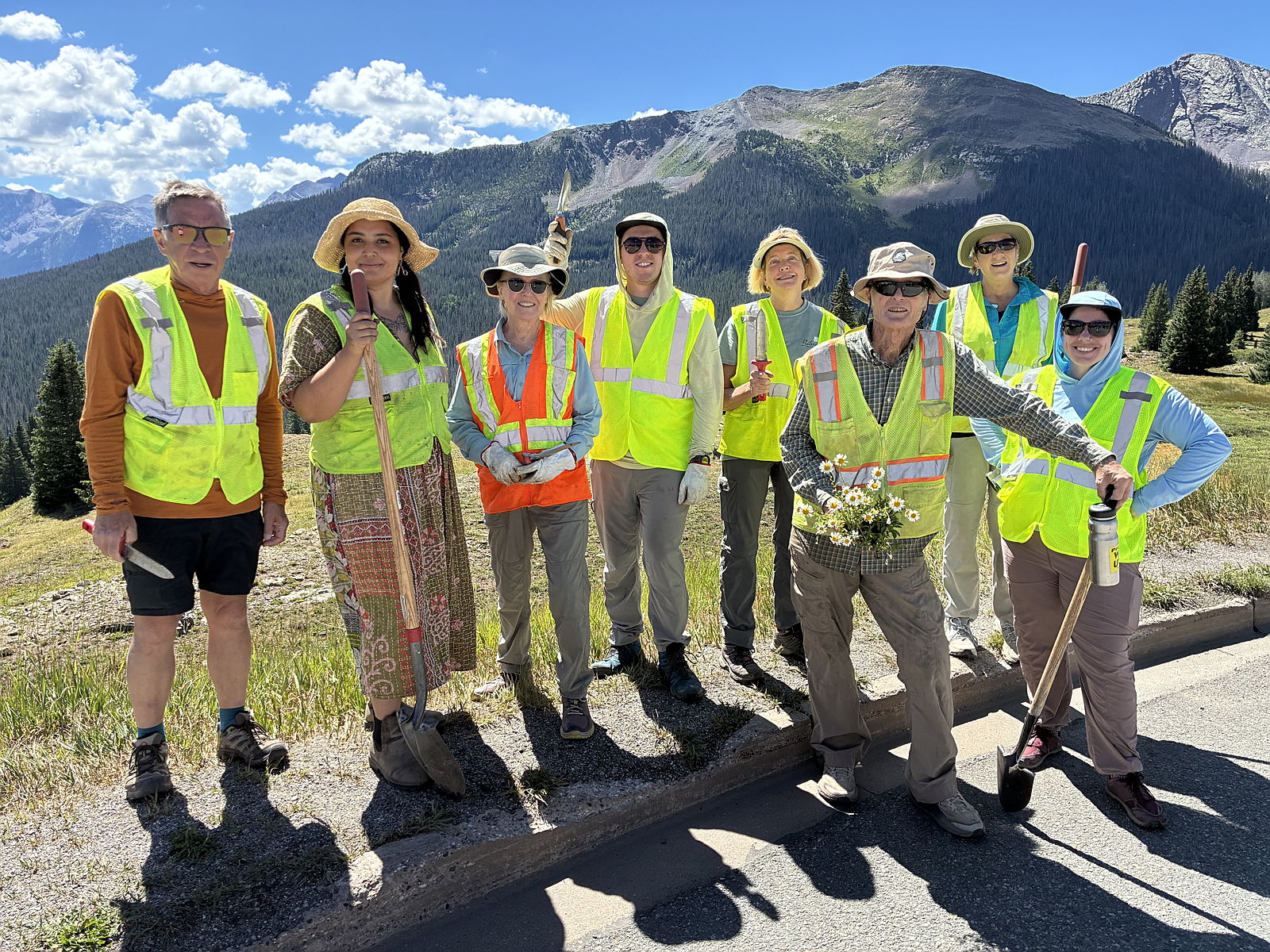
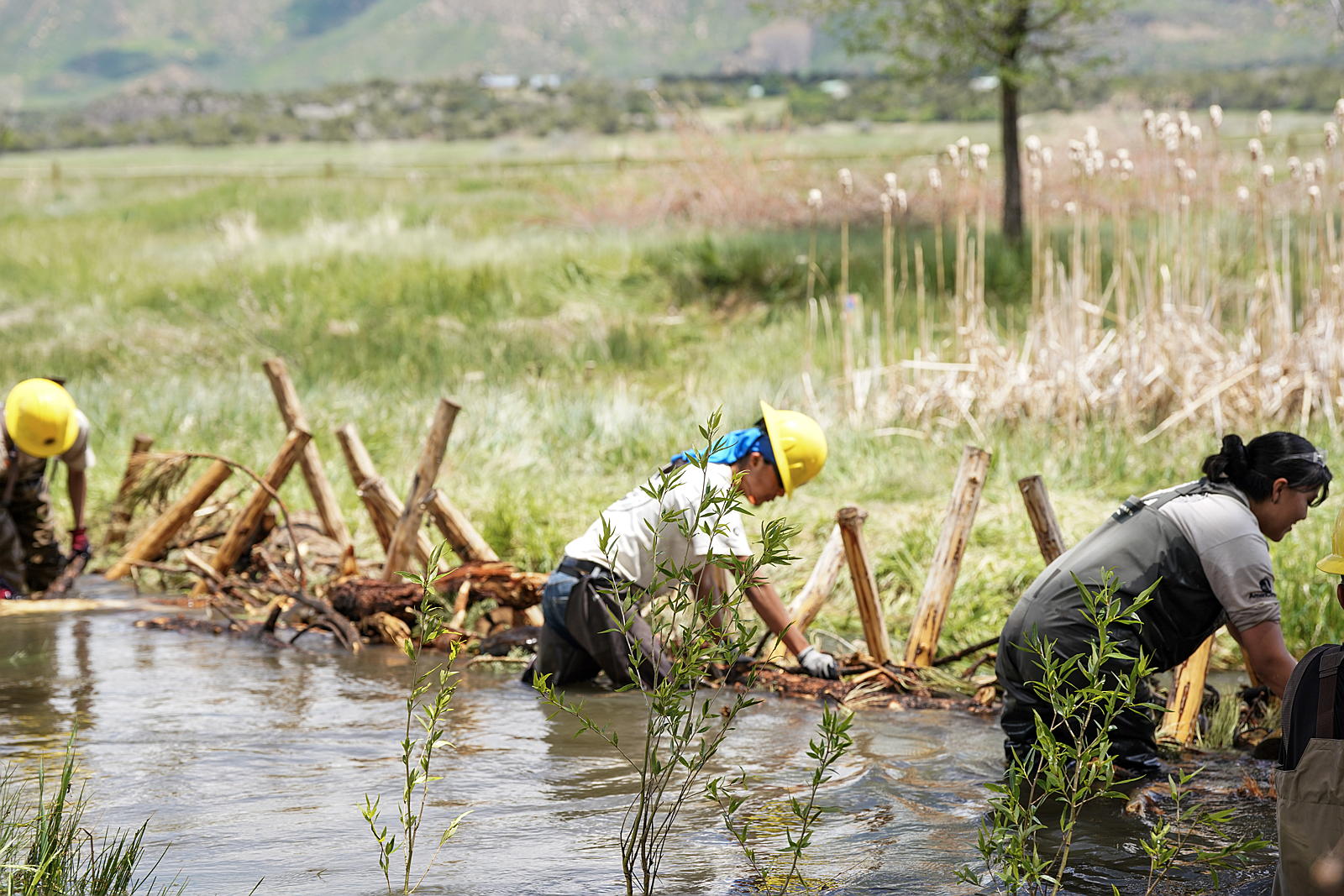
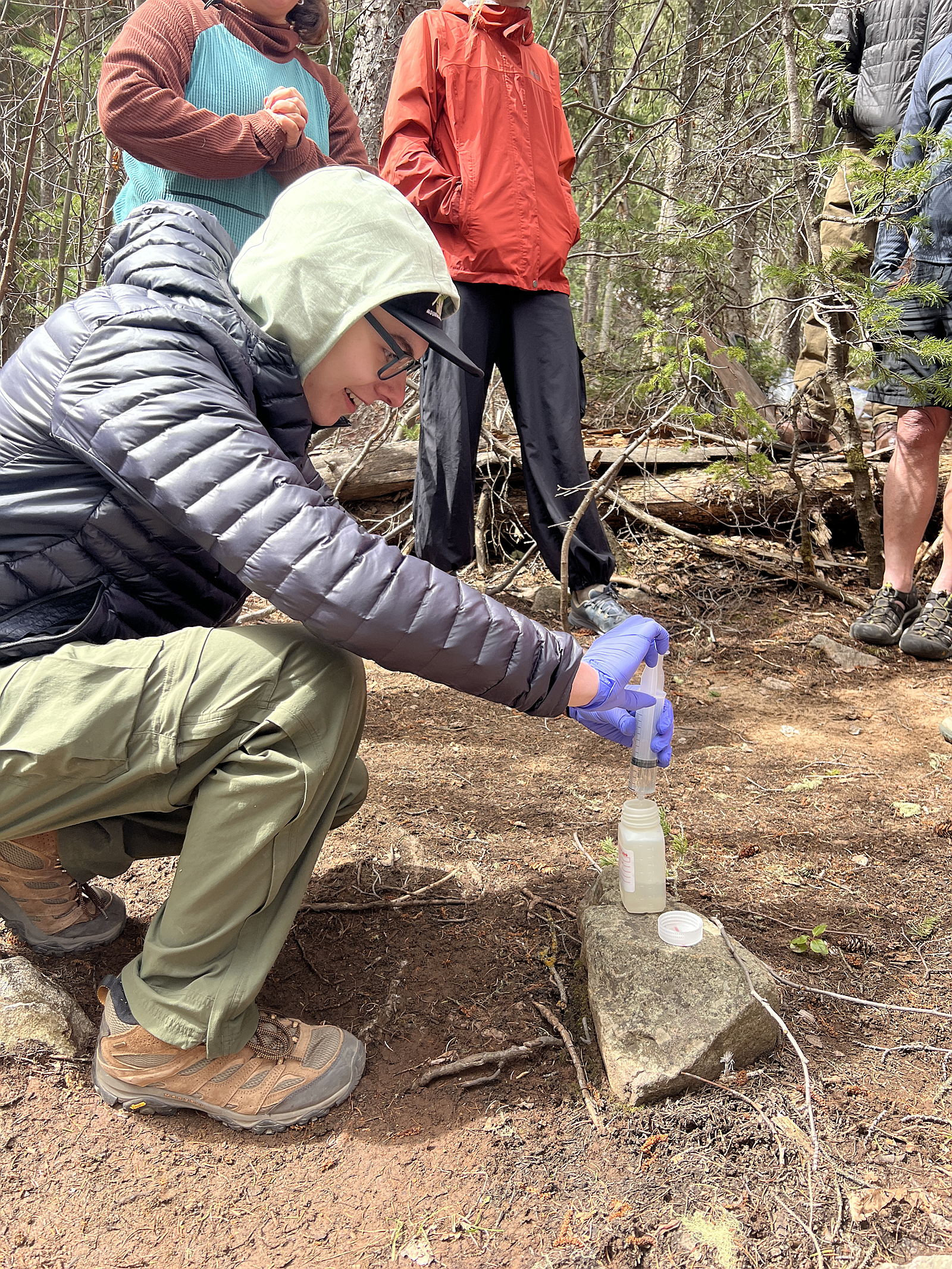
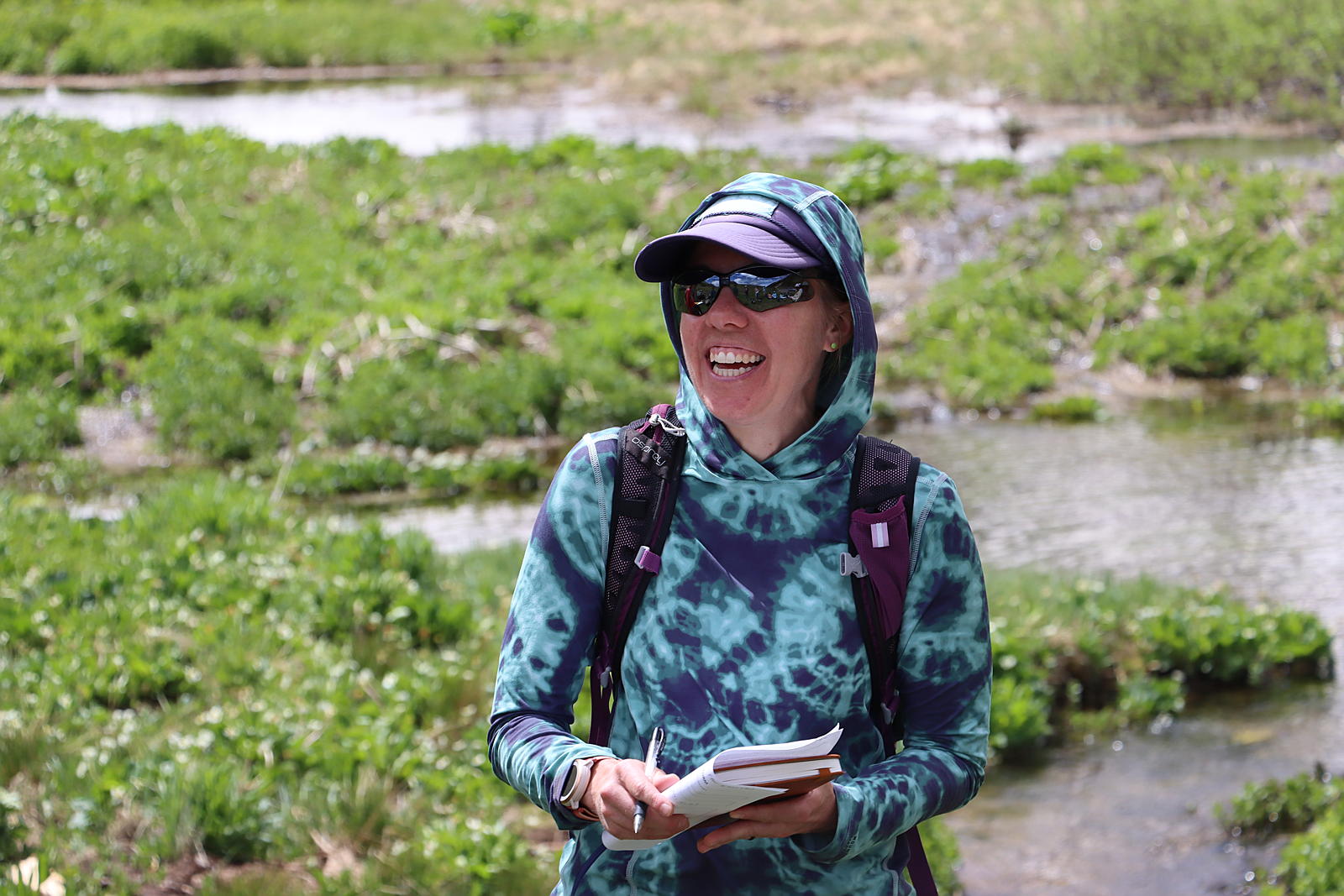
This year your donations helped fund some of our long term monitoring projects like Bighorn Sheep monitoring, GLORIA (Global Observation Research In Alpine environments), and Snowtography. Read below to learn about how your dollars have directly contributed to environmental science monitoring
Bighorn Sheep Monitoring
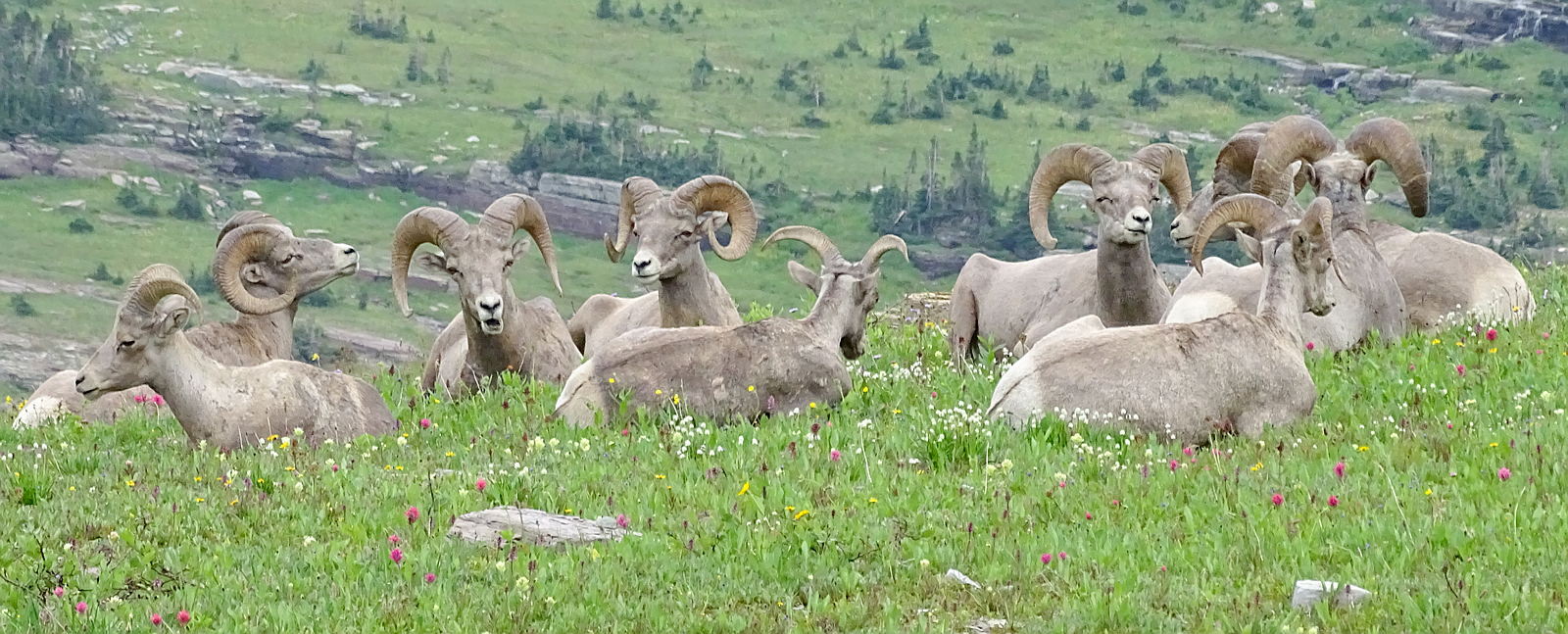 Bachelor herd of Bighorn Sheep enjoying a quaint morning in the San Juans by Dan Brown
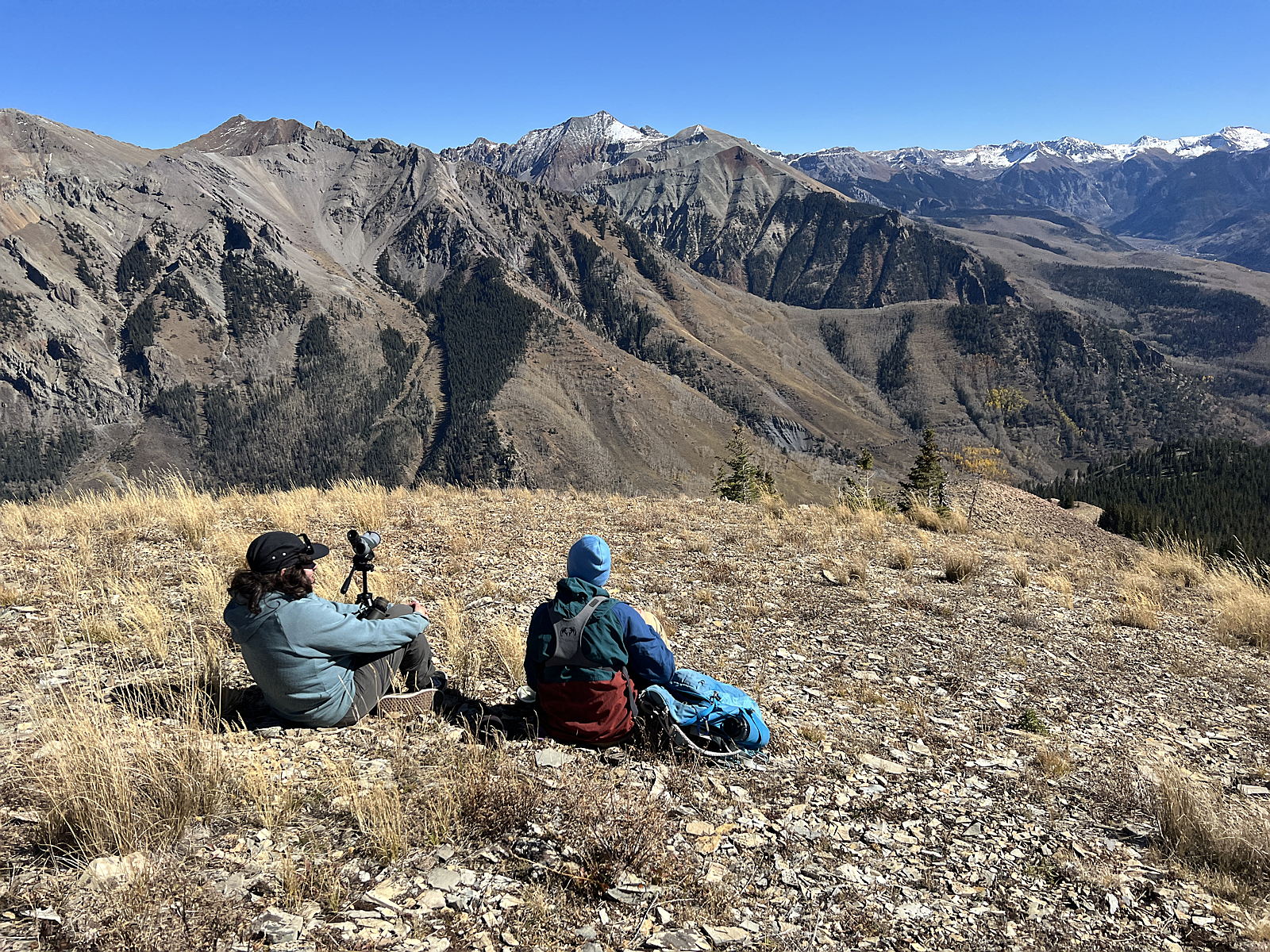 Volunteers patiently waiting for Bighorn sightings on top of Whipple Mountain near Telluride
Historically, bighorn sheep were widespread and abundant in Colorado. Today’s remnant herds are at risk - in large part due to respiratory disease outbreaks associated with exposure to domestic sheep. Since 2018, MSI and partners have trained volunteer citizen scientists to submit observations of bighorn and domestic sheep to iNaturalist.org. This program has allowed for over 4,026 observations to be submitted over the last 8 years providing vital information about our Bighorn herds and possible co-mingling events with domestic sheep allotments. With donations from our previous giving season, MSI has been able to successfully continue the Bighorn Sheep monitoring program into 2026 allowing for more volunteers to be trained, more observations to be submitted, and more data information to be curated into a report of science that people can use.
GLORIA Monitoring
GLORIA is a long-term, global observation network for the comparative study of climate change impacts on mountain biodiversity, specifically plants. There are 42 GLORIA target regions worldwide, and nine are located in North America. GLORIA uses a multi-summit approach and standardized low-impact monitoring methodology, allowing the study of alpine plant communities and climate change impacts both within and among regions.
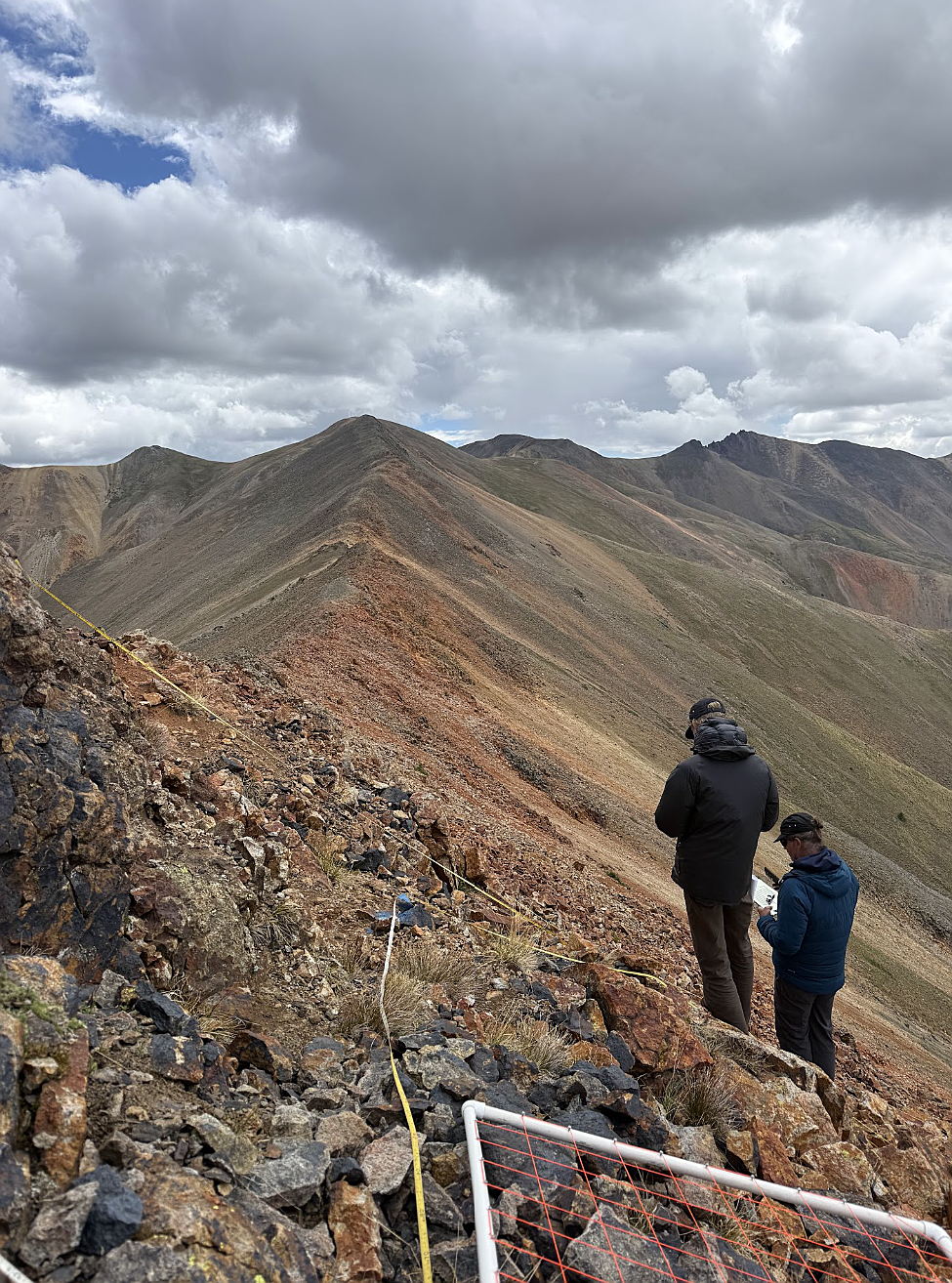 Forest Team Members Recording Data points
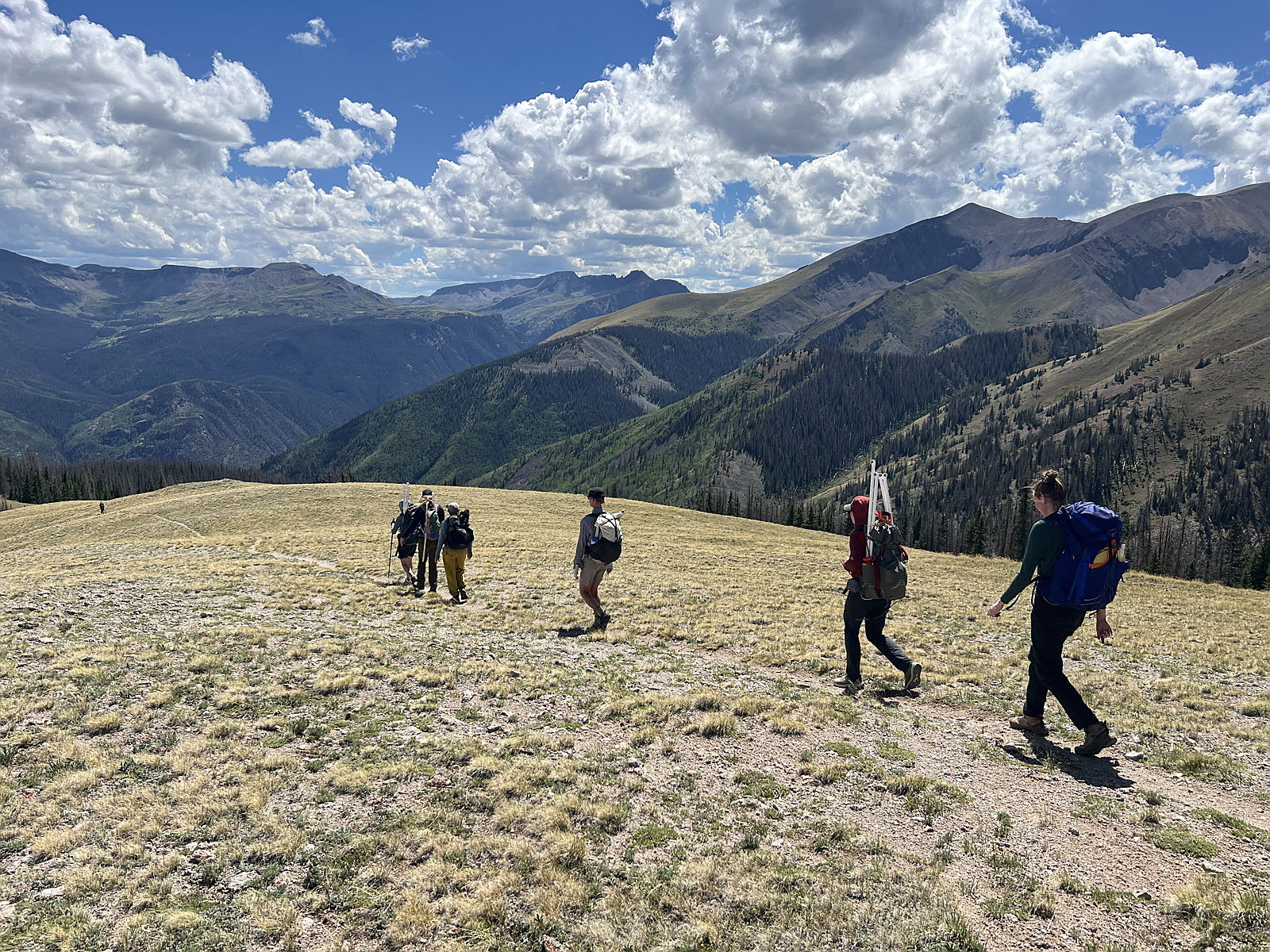 MSI Team Members Hiking to Field Site
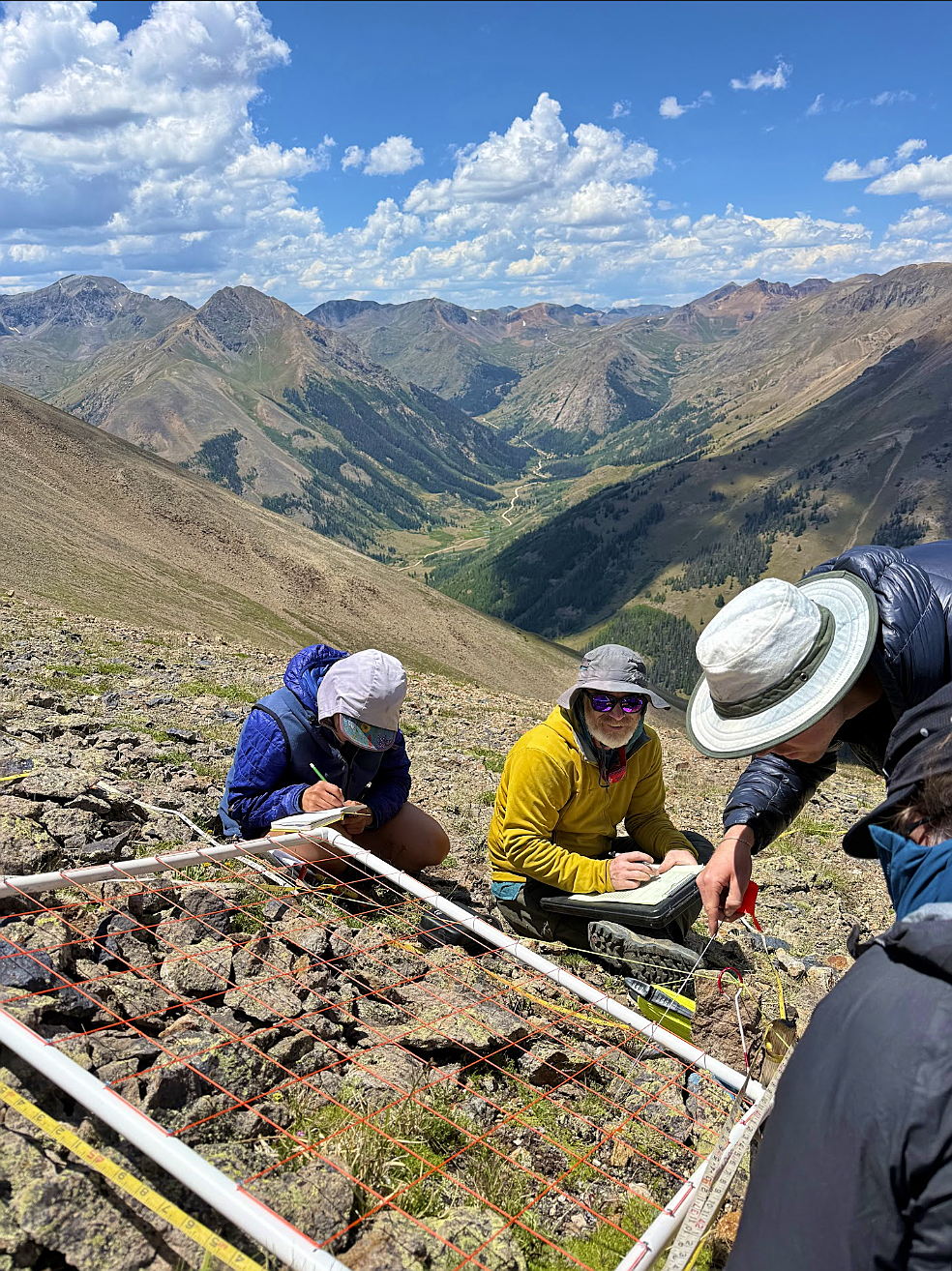 Forest Team Members Identifying High Alpine Plant Species
For twenty years, MSI has maintained a high alpine monitoring site in the San Juan Mountains. Our San Juan GLORIA site is one in a globally coordinated network monitoring alpine plant communities and climate impacts at the highest elevations. This year, funding for this project was made possibly solely through donations like yours.
Snowtography
Snow in our forested mountain systems is the primary source of water for municipal, agricultural, recreational, and industrial water demands representing 75-90% of our water supply. Unfortunately, these systems are experiencing large changes due to shifts in temperature leading to larger wildfires and a decreased snowpack.
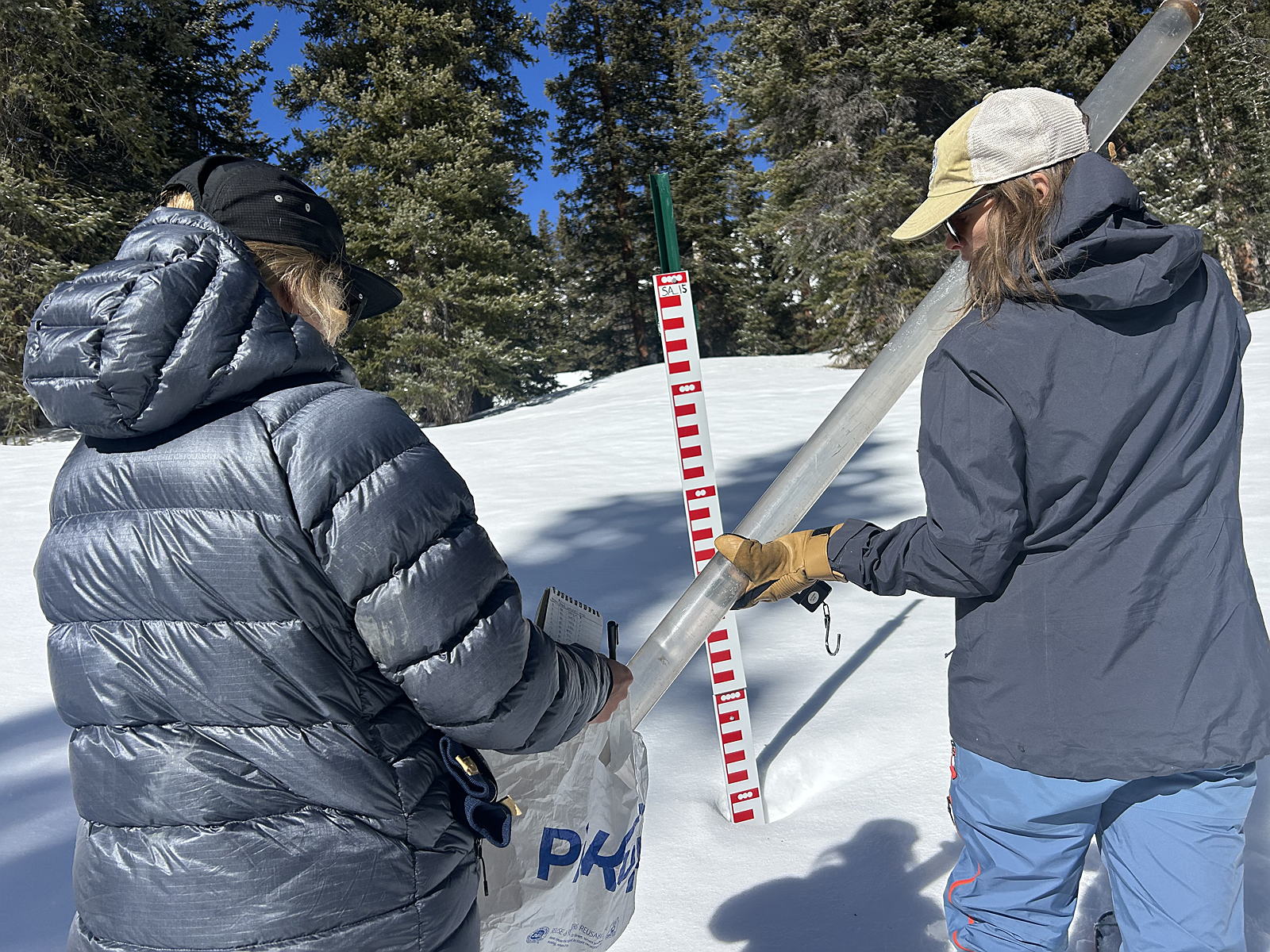 MSI staff Installing Snow Stakes
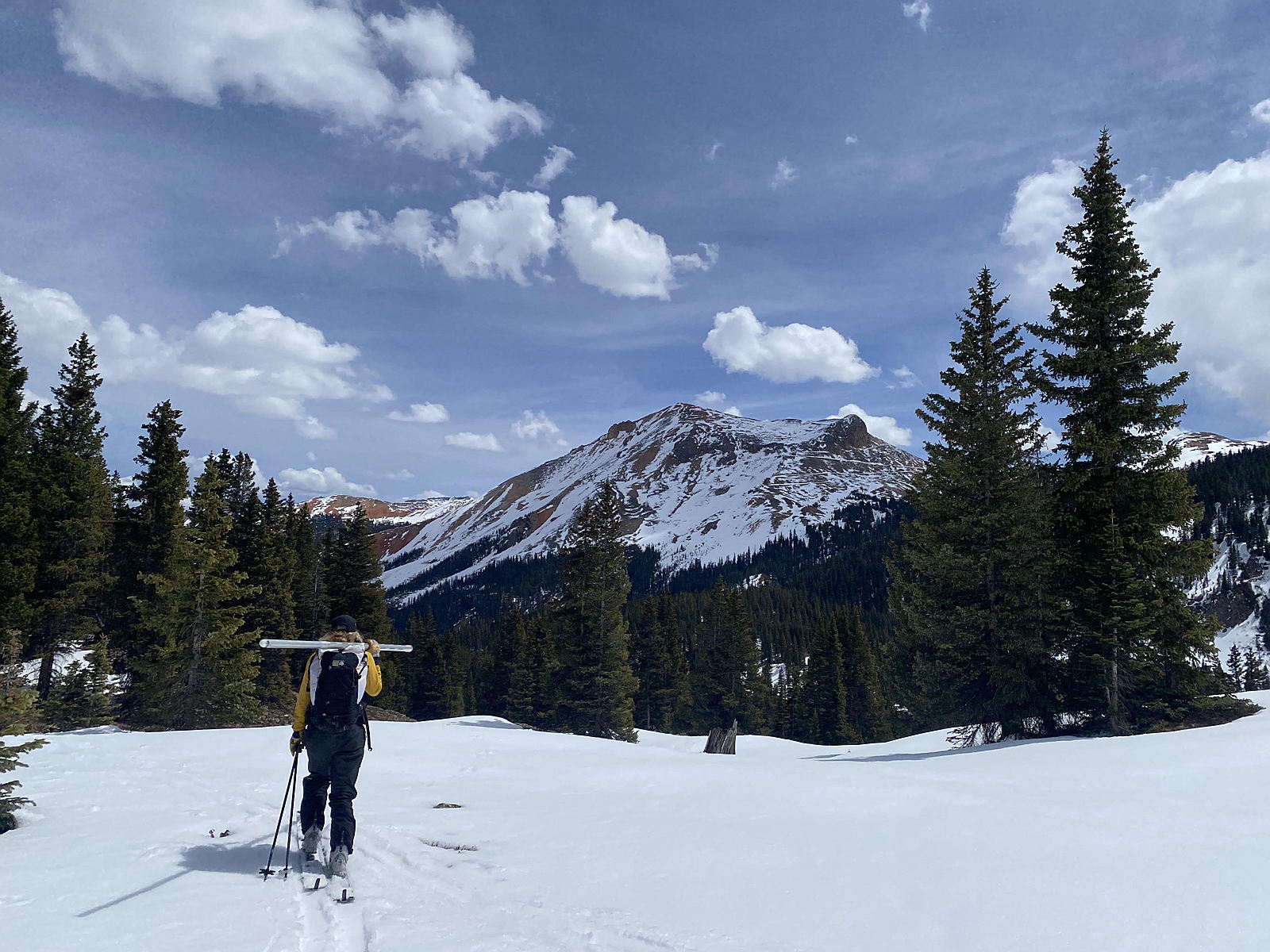 Ski Skinning to Snowtography Sites
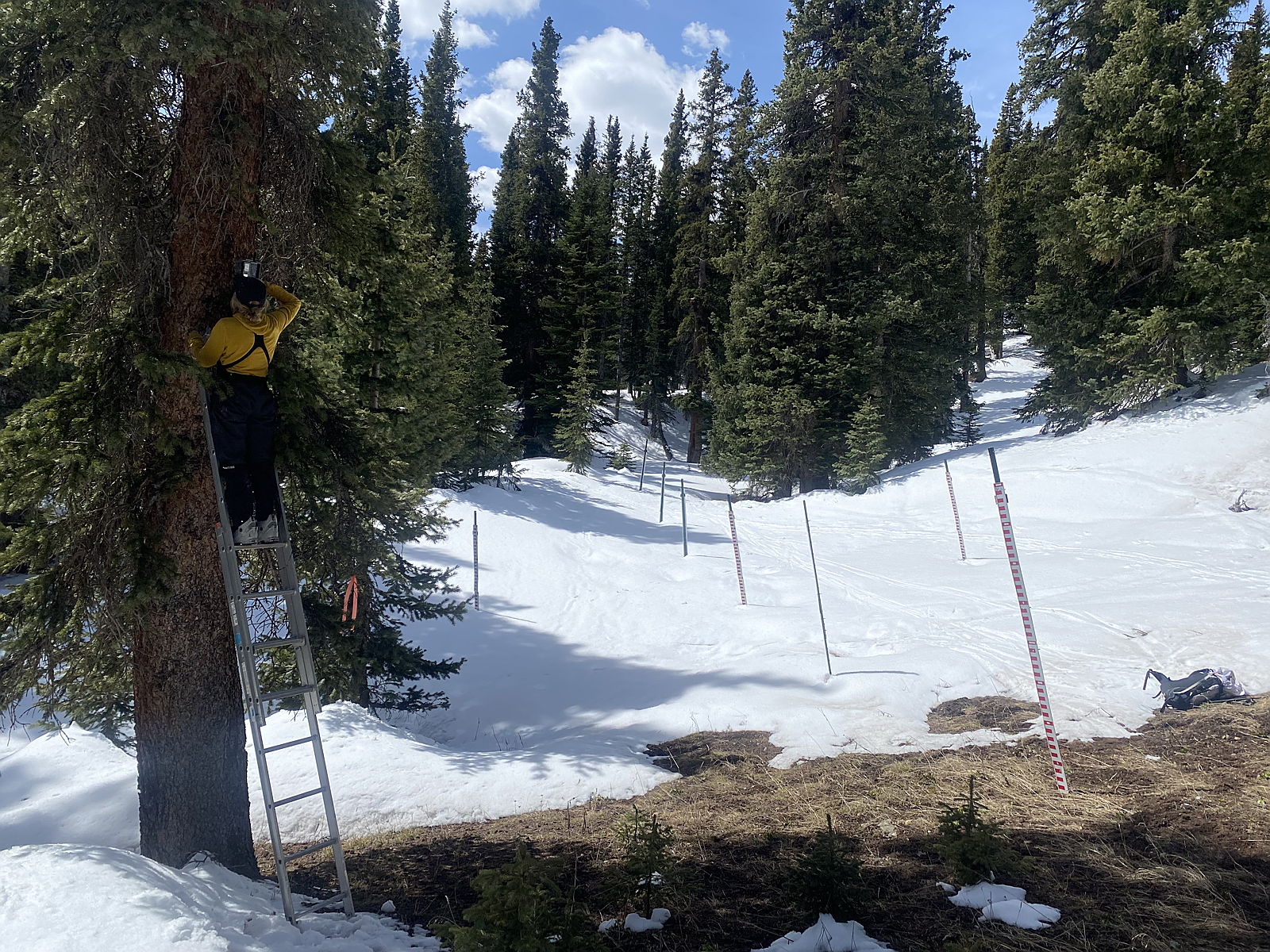 MSI staff Installing Game Cameras
Snowtography is a low-cost monitoring technique that allows us to understand how different forest structures and canopy cover impact snow accumulation, retention and ablation (melting rate). An existing network of monitoring sites, called SNOTEL, already exists across the western US, but these sites are placed in open meadows at high elevations and do not represent the complexity of forest structures we see across the landscape. MSI currently has five Snowtography sites across the San Juans located in San Miguel County, Dolores County, Montezuma County, Archuleta County, and San Juan County. With generous donations like yours, not only were we able to maintain our sites through 2026 but we were able to recruit volunteers to help with snowtography data processing.
Testimonials

"Mountain Studies Institute is an inspiring organization to intern for because their projects and data collected are meaningful to the residents of the San Juans. MSI helped me strengthen my skills and my passion to use science to make a difference." Lara Getz, MSI Intern.
"It has been critical to the bighorn sheep monitoring program to have MSI as a key coordinator for the project. They provide important verifiable data through their annual monitoring report which is imperative for the future decisions being made about the species. It is powerful to have MSI provide this data as a scientific, non-advocacy organization." -Dan Parkinson, Citizen Science Volunteer